Arabic bedtime stories for kids, voiced by AI with real feeling
Children follow the voice before they follow the words. nutq-speak-3 reads a bedtime story the way a parent does: softer at the sad part, surprised at the twist, laughing at the silly one.
nutq teamPublished 4 min read
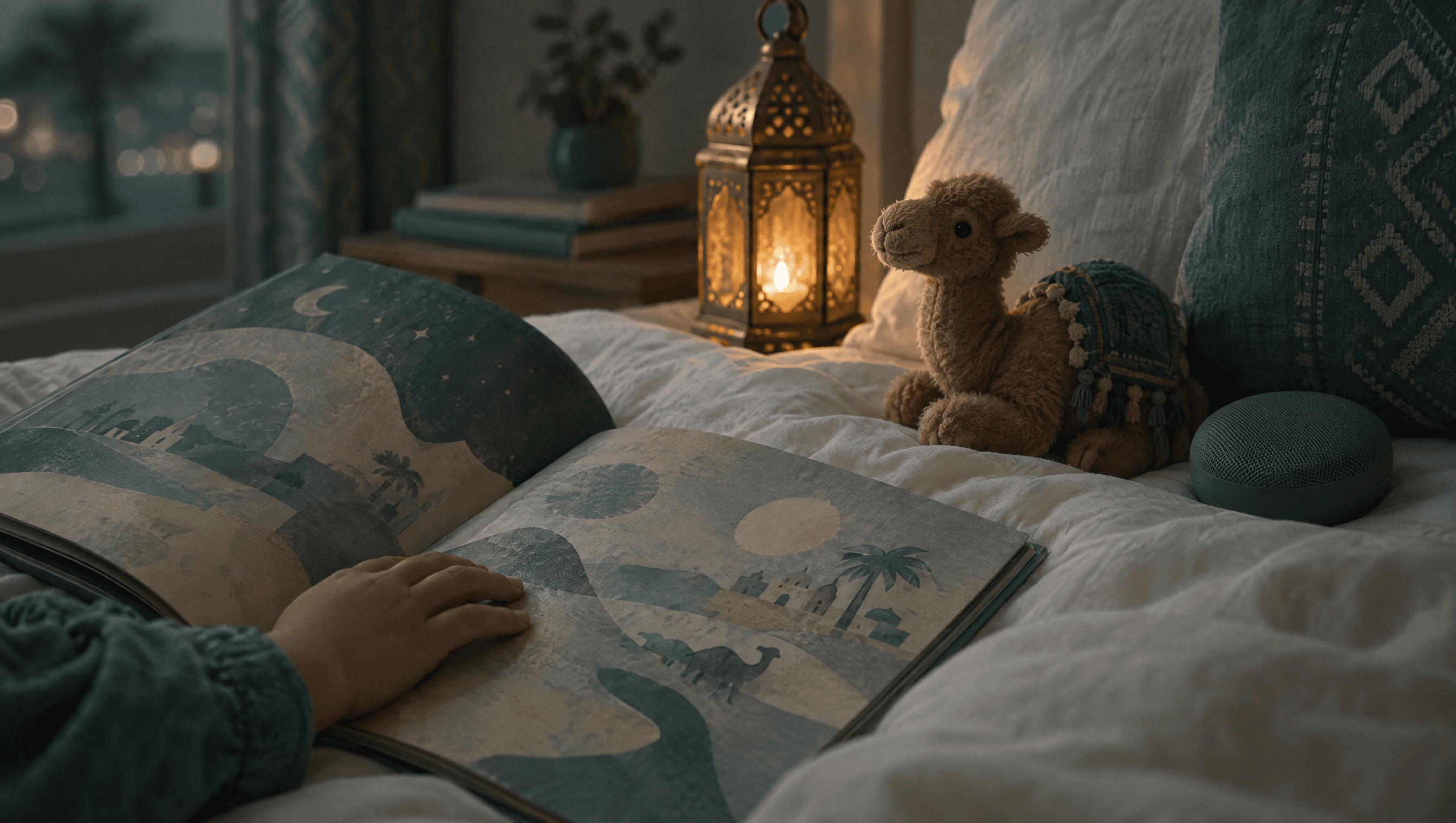
A bedtime story read in one flat voice loses a four-year-old by the second page. To make Arabic bedtime stories with an AI voice, the voice has to do what a parent does without thinking: slow down when the wolf appears, sound amazed at the twist, laugh at the silly part, and go soft at the end so the child goes to sleep. nutq-speak-3 does that from cues you write into the story, in Gulf voices that sound like home rather than a news bulletin.
Why do children's stories need emotion?
Young children understand tone long before they understand every word. A sentence like «وين راحت القطوة؟» means one thing when it is asked with worry and another when it is asked as a game. In a story, the voice tells the child what to feel: when to hold their breath, when it is safe, when to laugh.
That is also why most Arabic text to speech fails with children. It is accurate and polite, and it reads the dragon and the bunny in the same tone. With emotion cues, the narrator can be calm, the hero can be scared, and the funny character can actually laugh.
Which emotion fits each moment of a story?
| Story moment | Cue | Example line |
|---|---|---|
| The opening, "once upon a time" | [tender] | «كان يا ما كان، في بيت صغير جنب البحر…» |
| Something goes missing | [sad] | «بس القمر ما طلع ذيك الليلة.» |
| A strange noise | [scared] | «شو هالصوت؟ منو هناك؟» |
| The twist | [surprised] | «هذا مو وحش… هذا ظل الشجرة!» |
| The silly character | [amused] + [laughter] | «أنا؟ خايف؟ أبد!» |
| The happy ending | [excited] | «رجع القمر، ونوّر البحر كله!» |
| Goodnight | [tender] + [sigh] | «وغمّض عيونه، ونام.» |
Pauses do the rest. [pause:800] before a reveal builds suspense, and a longer [pause:1.5s] after a question gives a child time to answer out loud.
How do you write a bedtime story script?
Open each line with the voice that speaks it. The narrator carries the story; characters speak only their own lines:
[Hind] [tender] كان يا ما كان، كان في سلحفاة صغيرة اسمها سلامة، تعيش جنب البحر. [pause:600]
[Hind] كل ليلة، تطالع القمر قبل لا تنام. [pause:500] [sad] بس ذيك الليلة… ما طلع القمر.
[Maitha] [scared] يمّه! وين راح القمر؟ [pause:700]
[Salem] [tender] لا تخافين يا سلامة. القمر ما يروح، بس يتخبى ورا الغيم.
[Maitha] [surprised] يتخبى؟ مثلي يوم ألعب غميضة؟ [laughter]
[Hind] [amused] وضحكت سلامة، [pause:400] [tender] وطالعت الغيم لين طلع القمر من وراه. [sigh] وغمّضت عيونها، ونامت.
Five rules keep a children's story natural:
- Short sentences. A child, and the model, both do better with one idea per sentence.
- One feeling per beat. Three cues on one line sound like acting, not reading.
- Cues in English, always.
[حزين]would be read aloud as a word. - No stage directions in parentheses or asterisks. They are spoken too.
- Add diacritics to unusual names only. «سَلامة» once is enough; full tashkeel on every word makes the reading stiff.
How do you cast the narrator and characters?
Pick a calm narrator and characters who sound clearly different from them and from each other. A practical cast from the 16 Gulf voices:
| Role | Try | Why |
|---|---|---|
| Narrator | Hind, Salem, Hamad | Even pace that holds over several minutes |
| A child or small animal | Maitha, Amna | Light, conversational |
| A grandparent or wise figure | Salem, Faisal | Warm and steady |
| A comic character | Abdullah, Alia | Natural in banter and laughter |
Listen to each one in the voice library before you choose. You can also clone a voice from six to eight seconds of recording, so a grandparent abroad can "read" tonight's story, with their permission. The cloned voice takes the same cues. For more on casting and directing characters, see Arabic voice acting with AI for games and animation.
How long can a story be, and how do you fix a line?
One request takes up to 5,000 characters. At about 13 characters per second of speech, that is roughly six minutes, which covers most bedtime stories. For a longer book, generate one scene per request with the same voices and join the files.
nutq-speak-3 gives the same reading for the same text in the same voice, which keeps a series consistent from episode to episode. To get a different reading of one line, change the line itself: move the cue a few words later, add a comma, or add a natural filler such as «يعني» or «طيب». If a name is read the wrong way, add diacritics to that word only. For production patterns beyond children's stories, see Arabic AI voiceover for ads, reels and audiobooks.
What does it cost to voice a story?
$0.05 per 1,000 characters, the same on every model. A five-minute story is about 3,900 characters, so roughly 20 cents, and pauses are free. The $5 of credit at sign-up covers about 25 stories of that length. If you publish the stories in an app, on a channel or as a product, the monthly plans include a commercial licence.
To hear the voices with your own sentence first, type a line on the Arabic AI voice generator page. For the full list of cues and how they combine, read Arabic text to speech with emotion.
Questions people ask
Can an AI voice read Arabic stories to children?
Yes. nutq-speak-3 reads Arabic text in Gulf voices and performs the feeling you mark in the script: tender, surprised, scared, amused, sad, excited or angry, plus real laughter and sighs. You can give the narrator and each character a different voice in one request.
Can I use a parent's or grandparent's own voice?
Yes, with their permission. nutq clones a voice from six to eight seconds of clear recording, and the cloned voice takes the same emotion cues. Only clone a voice whose owner has agreed to it.
Should the story be in Gulf dialect or fusha?
Either. Write the story the way you want it heard. Many families choose dialect for bedtime and fusha for stories meant to teach it; the voices read both.
How long can one story be?
Up to 5,000 characters per request, which is roughly six minutes of speech. Longer stories are generated scene by scene and joined.
What does a story cost?
Speech is $0.05 per 1,000 characters, so a five-minute story costs about 20 cents. Pauses are not billed, and new accounts start with $5 of credit.
Written by nutq team. nutq is an Arabic speech API built in the UAE: speech to text that keeps Gulf dialect, and Arabic text to speech with voice cloning.
اقرأ بالعربيةHear it on your own audio.
$5 of credit to start — about 33 hours of transcription. No card.
Keep reading
All articles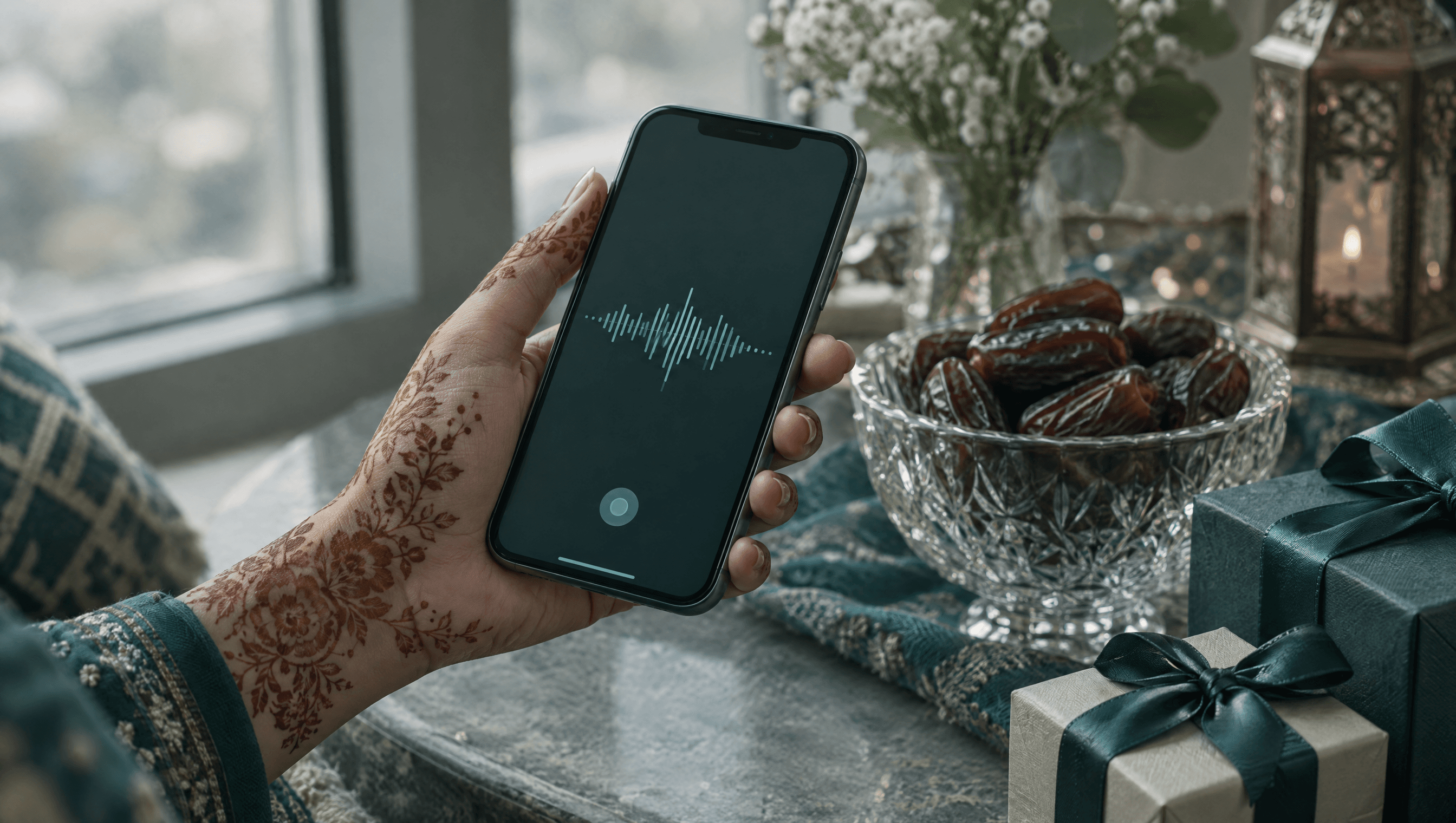
Text to speech3 min read
Free Arabic text to speech for Eid, Ramadan and wedding voice messages, with real warmth
In the Gulf, greetings are spoken: a voice note on WhatsApp beats a typed «عيدكم مبارك». nutq-speak-3 turns a written greeting into a warm Gulf voice, with the free credit at sign-up covering hundreds of them.
Text to speech4 min read
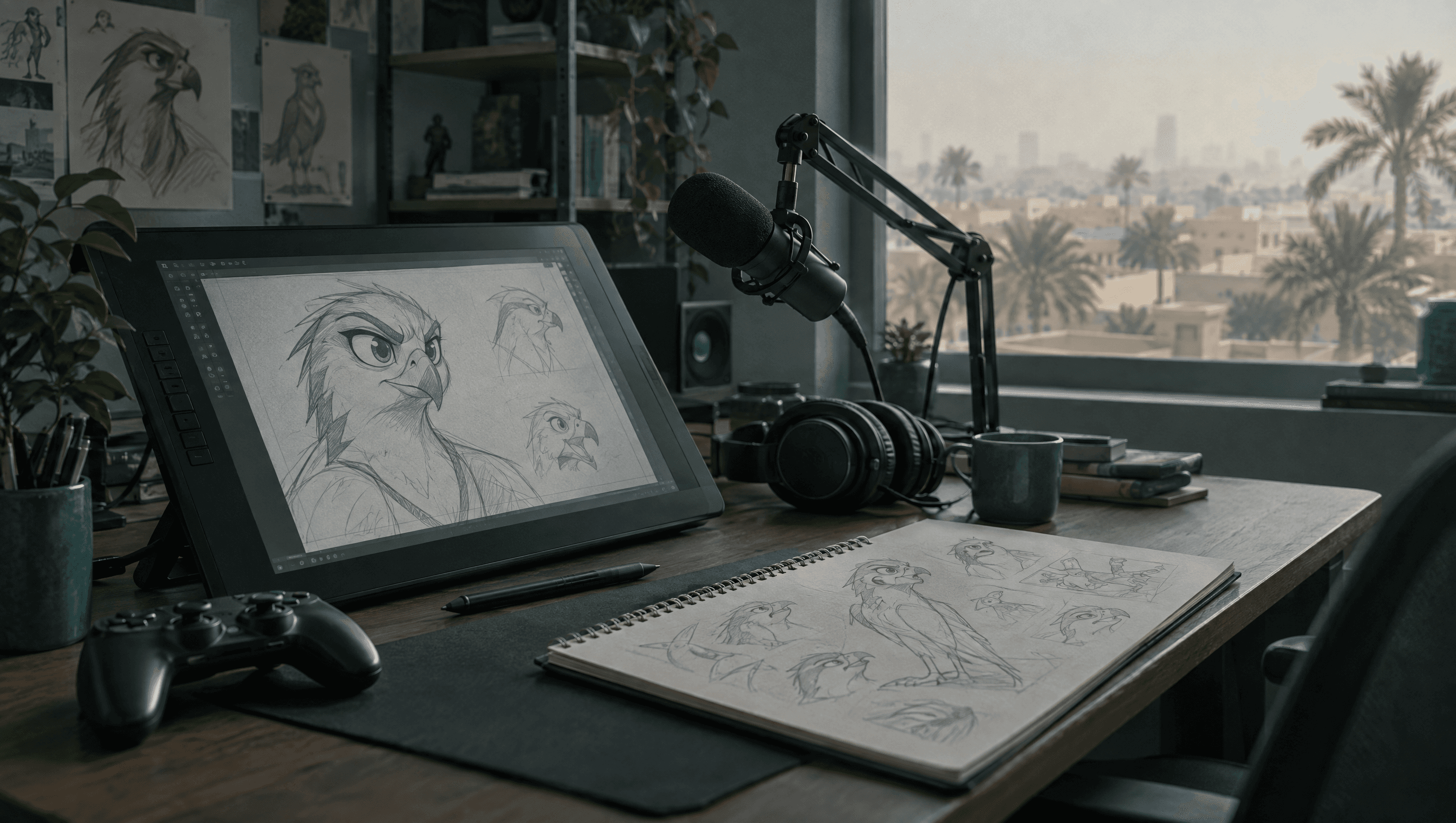
Arabic voice acting with AI for games and animation: characters that shout, tremble and laugh
A game character who sounds calm while a building collapses breaks the scene. nutq-speak-3 gives Arabic characters the range they need, angry, scared, surprised, laughing, from cues written into each line.
Text to speech3 min read
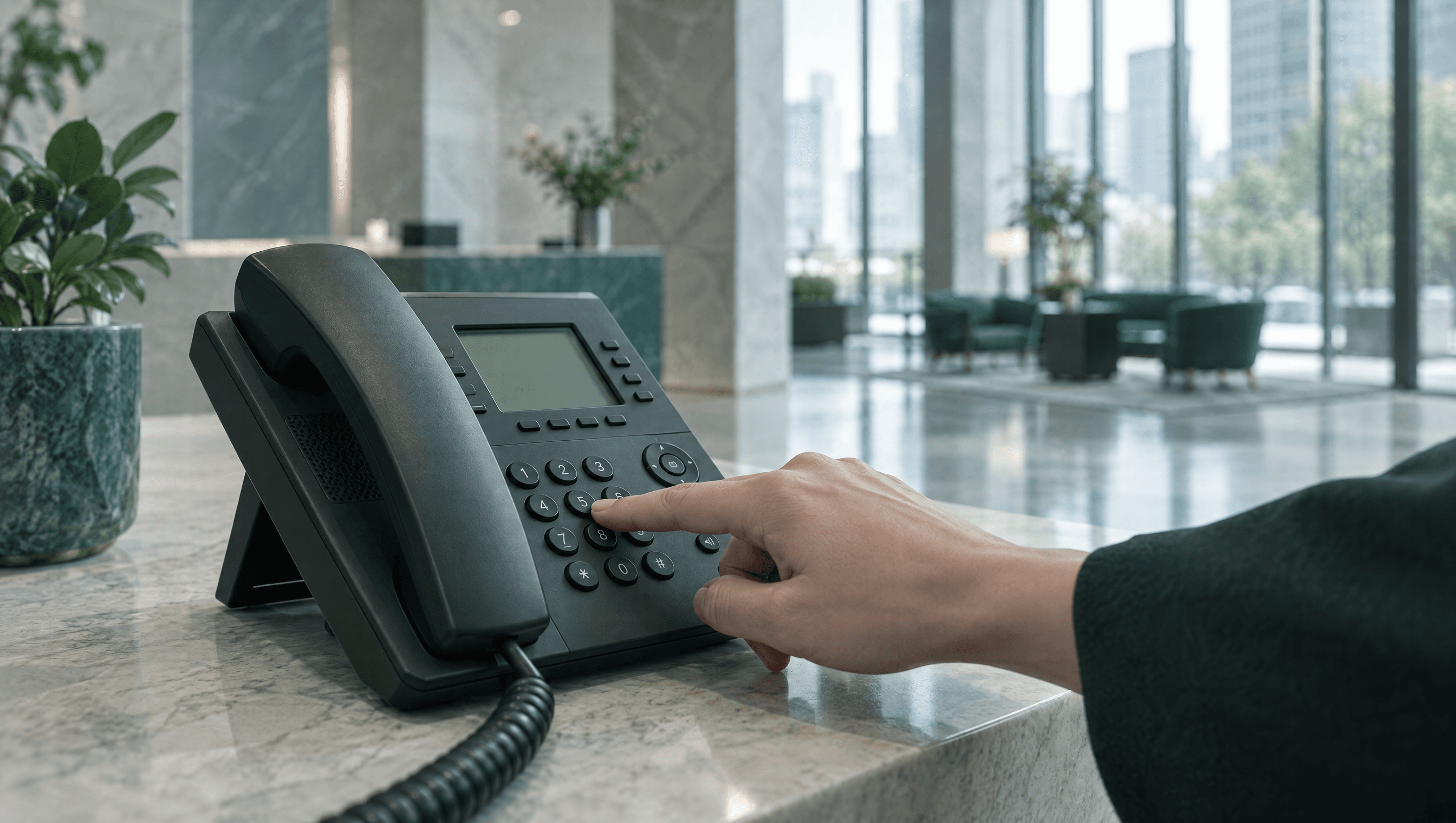
Arabic IVR voice prompts with AI: a whole phone menu in one Gulf voice, in the right tone
Phone menus get patched for years by whoever is free to record, so the welcome sounds like one person and the holiday notice like another. With nutq-speak-3, every prompt comes from one voice, and each one gets the tone it needs.